Brain Tumor and Seizures: What’s the Connection?
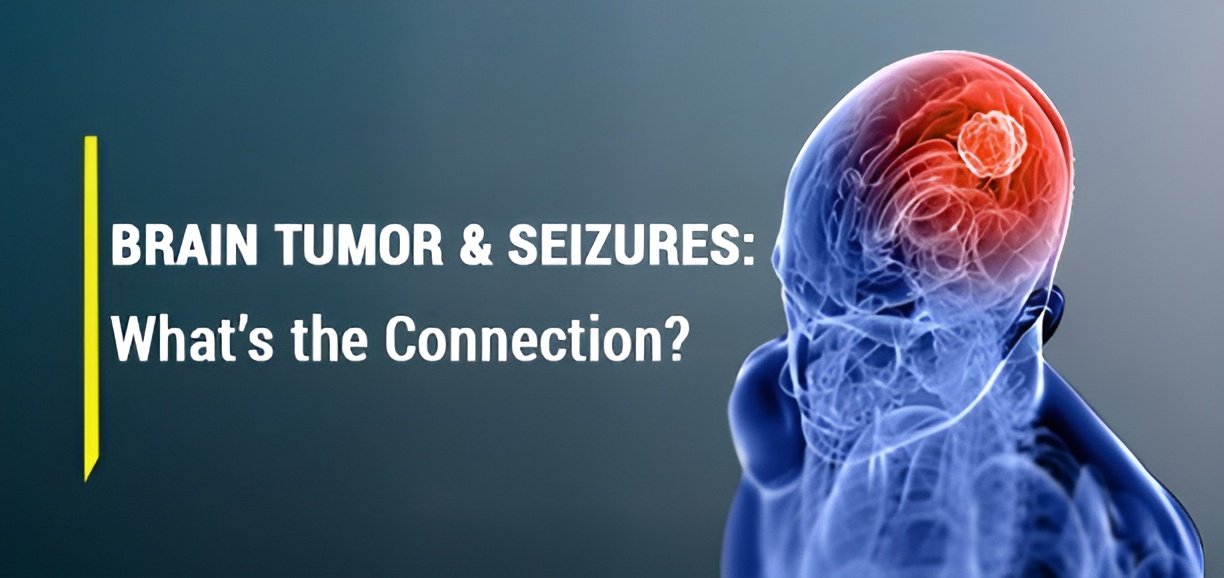
Seizures are one of the most common symptoms experienced by people with brain tumors. In fact, they can often be the first sign that prompts an individual to seek medical help. Understanding the link between brain tumors and seizures can help patients and caregivers recognize symptoms early and seek appropriate care from a neurospecialist.
Why Do Brain Tumors Cause Seizures?
A seizure occurs when there is a sudden burst of abnormal electrical activity in the brain. Brain tumors can disrupt normal brain function by:
- Irritating the surrounding brain tissue
- Causing inflammation or swelling (edema)
- Altering chemical signals in the brain
- Increasing pressure inside the skull (intracranial pressure)
These disruptions can lead to hyperexcitability of brain cells, making them more likely to fire erratically, which results in a seizure.
Types of Seizures in Brain Tumor Patients
Seizures caused by brain tumors can vary depending on the location and size of the tumor. Common types include:
- Focal (Partial) Seizures: Affect one part of the brain; may cause unusual sensations, jerking of one limb, or changes in behavior.
- Generalized Seizures: Involve the whole brain; may cause loss of consciousness and convulsions.
- Complex Partial Seizures: May cause confusion, automatic movements (like lip-smacking), or altered awareness.
When Are Seizures Most Likely to Occur?
- In patients with tumors located in the cerebral cortex (outer layer of the brain)
- With slow-growing tumors like low-grade gliomas
- When the tumor is near regions controlling motor or sensory functions
It’s important to note that not all brain tumor patients will experience seizures, and the risk depends on multiple factors.
How Are Tumor-Related Seizures Diagnosed?
If a patient has a seizure, a detailed neurological examination is performed. Diagnostic tools include:
- MRI or CT scan: To identify the presence, size, and location of a brain tumor
- EEG (Electroencephalogram): To record electrical activity in the brain
- Blood tests: To rule out other causes such as infections or metabolic issues
Treatment of Seizures in Brain Tumor Patients
Managing seizures in brain tumor patients typically involves a combination of treatments:
- Anti-seizure medications (anticonvulsants): Drugs such as levetiracetam, phenytoin, or valproate help control seizure activity.
- Surgical removal of the tumor: Reducing or eliminating the tumor can often decrease seizure frequency.
- Radiation or chemotherapy: Used to shrink or control tumor growth, indirectly helping with seizure control.
- Corticosteroids: To reduce swelling around the tumor, which can help prevent seizures.
Living with Brain Tumor-Related Seizures
Patients diagnosed with brain tumors who experience seizures need regular monitoring and medication adjustments. Tips for managing life with seizures include:
- Taking medications as prescribed
- Avoiding known seizure triggers like sleep deprivation or stress
- Informing family or caregivers about seizure first aid
- Discussing fitness to drive with a doctor
Seizures are a serious but manageable symptom of brain tumors. With early detection, proper diagnosis, and individualized treatment plans, patients can significantly improve their quality of life. If you or a loved one experiences unexplained seizures, consult a neurologist or neurosurgeon immediately for further evaluation.