Brain Aneurysm Overview
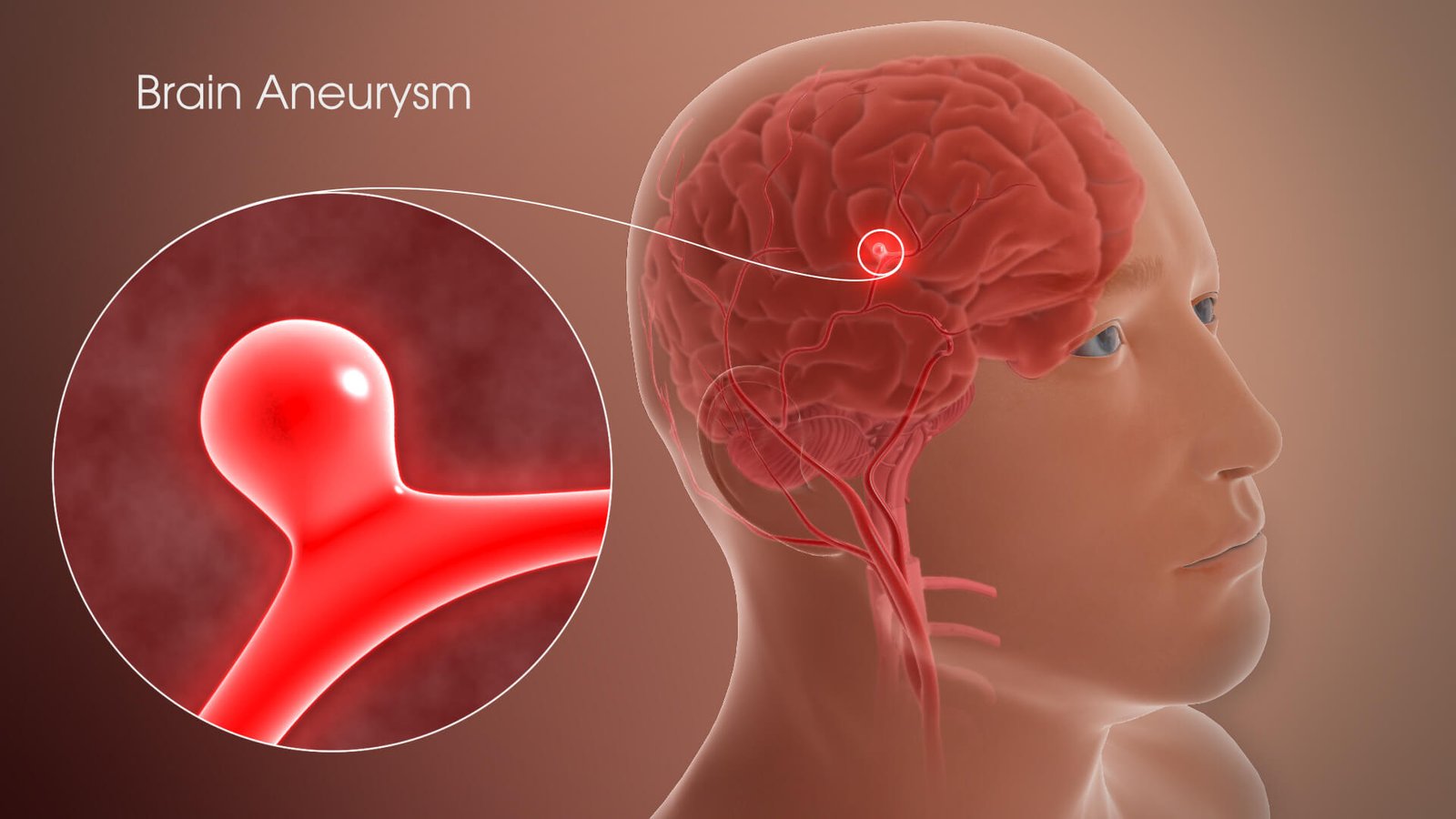
Here are some key points about brain aneurysms:
Formation:Any blood vessel in the body can develop aneurysms, but when they occur in the brain, they are more dangerous because they can lead to life-threatening consequences. They frequently develop where an artery branches, weakening the artery's walls.
Risk Factors:There are a number of risk factors that may contribute to the formation of brain aneurysms, even though their precise etiology is not always known. These include smoking, genetic abnormalities, aging, high blood pressure (hypertension), and a family history of aneurysms.
Symptoms:In many cases, brain aneurysms do not cause symptoms until they rupture. When an aneurysm ruptures, it can result in a sudden, severe headache, nausea, vomiting, and neurological symptoms such as blurred or double vision, sensitivity to light, and seizures.
Diagnosis:Brain aneurysms are frequently unintentionally found during imaging tests for other medical conditions. A cerebral angiography, CT scan, or MRI may be ordered by a medical expert if they have suspicions about the existence of an aneurysm in order to confirm it and assess its size and location.
Treatment:The size, location, and general health of the patient are among the variables that affect how brain aneurysms are managed. While bigger or ruptured aneurysms may need immediate medical attention, smaller, unruptured aneurysms may be monitored over time. Surgical clipping or endovascular coiling, in which a metal coil is inserted inside the aneurysm to encourage blood clotting and avoid rupture, are two possible treatment options.
Prevention:While it's not always possible to prevent the formation of brain aneurysms, certain lifestyle modifications can help reduce the risk. These include maintaining a healthy blood pressure, avoiding smoking, and managing other underlying health conditions.
It's crucial to seek prompt medical attention if someone experiences symptoms suggestive of a ruptured brain aneurysm, as quick intervention can significantly improve outcomes. Regular check-ups and discussions with healthcare providers can help assess individual risk factors and discuss appropriate preventive measures.
For more visit : https://srideviclinic.com/ For appointments : 7671055343