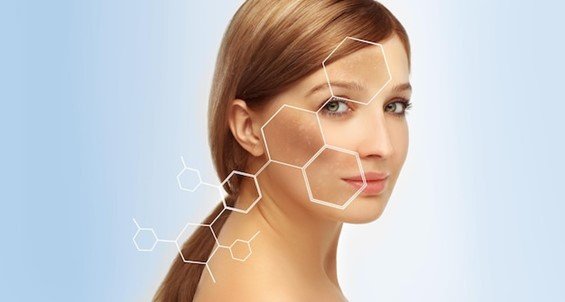
Ways to Get Rid of Hyperpigmentation
Types of Heart Attacks
- Stable Angina: Chest pain or discomfort that often arises with activity or stress and resolves with rest. Caused by a transient decrease in blood flow to the heart muscle due to constricted coronary arteries.
- Unstable Angina: Chest pain or discomfort that starts suddenly and worsens over time, triggered by a sudden decrease in blood supply to the heart muscle due to a partially blocked coronary artery.
- STEMI (ST-segment elevation myocardial infarction): Results from a total blockage of a coronary artery, leading to a prolonged reduction in blood flow and damage to the heart muscle. Identified by an electrocardiogram (ECG) pattern known as ST-segment elevation.
- NSTEMI (Non-ST segment elevation myocardial infarction): Occurs due to a coronary artery that is partially blocked, resulting in a brief reduction in blood flow and damage to the heart muscle. ECG alterations are present, but there is no ST-segment elevation.
- Coronary Artery Spasm (Prinzmetal's Angina): Occurs when brought on by an unexpected spasm or tightness of a coronary artery, lowering blood supply to the heart muscle. Can happen while at rest and isn't always connected to stress or physical effort.
Recognizing Symptoms of a Heart Attack
It's important for people to recognize the symptoms of a heart attack, which can include:
- Chest pain or discomfort
- Upper body discomfort
- Shortness of breath
- Nausea
- Lightheadedness
- Cold sweats
Ignoring these symptoms can be dangerous and potentially life-threatening. If someone experiences symptoms of a heart attack, they should seek immediate medical help by calling emergency services or going to the nearest emergency room. Early intervention can help minimize damage to the heart muscle and improve outcomes.
Ways to Reduce Hyperpigmentation
Sun exposure, hormone fluctuations, skin injury, or inflammation can cause hyperpigmentation, or skin darkening. Here are some ways to help reduce or get rid of hyperpigmentation:
- Sunscreen: Protecting your skin from the sun is critical. Use a broad-spectrum sunscreen with an SPF of 30 or more every day, even on cloudy days.
- Topical treatments: Over-the-counter and prescription topical therapies containing chemicals like hydroquinone, retinoids, vitamin C, kojic acid, azelaic acid, and niacinamide can help lighten hyperpigmentation.
- Chemical Peels: Peels containing glycolic acid, salicylic acid, or trichloroacetic acid can remove the upper layer of skin, revealing new, evenly pigmented skin beneath.
- Microdermabrasion: Exfoliates the skin, removing the top layer of pigmented skin cells. It can be performed in a dermatologist's office.
- Laser Therapy: Various laser treatments can target and reduce hyperpigmentation by breaking down extra melanin in the skin.
- Chemical Exfoliants: Alpha hydroxy acids (AHAs) and beta hydroxy acids (BHAs) can exfoliate the skin, increasing cell turnover and reducing hyperpigmentation.
- Professional Skin Care: Consulting with a dermatologist or skincare specialist can help determine the best treatment approach for your particular kind of hyperpigmentation.
Results may differ based on the type and severity of hyperpigmentation. When treating hyperpigmentation, consistency and patience are essential, as results might take weeks to months to appear.