Lumbar Spondylosis: A Common Age-Related Condition
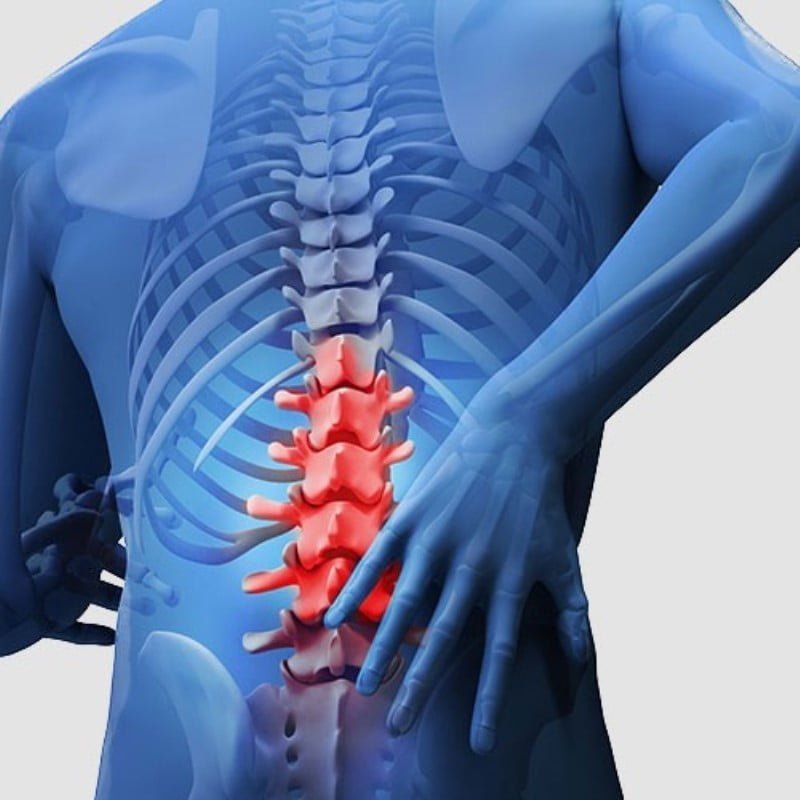
What is Lumbar Spondylosis ?
Lumbar spondylosis is a common condition that affects the lower back as people age. It refers to the natural wear and tear of the spinal discs, bones, and ligaments in the lumbar (lower) spine. This condition is a part of the aging process and can lead to discomfort and stiffness in the lower back.
Causes of Lumbar Spondylosis
Wear and tear of discs:
The discs between the spinal bones lose moisture and elasticity, making them less effective in absorbing shocks.
Bony arthritis:
The bones in the spine can develop small growths (bone spurs) that may put pressure on nearby nerves.
Damage to ligaments and muscles:
The ligaments and muscles supporting the spine can weaken and stiffen with age.
Over time, our spine undergoes changes due to daily activities and natural aging. The most common causes include:
Causes of Lumbar Spondylosis
While some people may not experience any symptoms, others may notice:
- Persistent lower back pain
- Stiffness, especially in the morning or after long periods of inactivity
- Reduced flexibility and movement
- Occasional numbness or tingling in the legs
Managing and Preventing Lumbar Spondylosis
Although lumbar spondylosis is a natural part of aging, you can take steps to manage symptoms and maintain a healthy spine:
Exercise Regularly:Strengthening core muscles helps support the lower back and reduce strain.
Maintain Good Posture:Avoid slouching and ensure proper ergonomic support when sitting or standing for long periods.
Stay Active:Incorporate walking, swimming, or yoga into your routine to keep the spine flexible.
Healthy Diet:Eat foods rich in calcium and vitamin D to support bone health.
Medical Treatment:If pain persists, consult a doctor for treatments such as physiotherapy, medication, or other medical interventions.
Who is a Candidate for Epilepsy Surgery?
-
Adults and children:
Adults and children with drug-resistant epilepsy may be eligible for surgery.
Patients with localized epilepsy:Those with focal epilepsy, in which seizures originate from a specific area of the brain, are frequently with the best potential candidates.
Patients with Non-Essential Brain Area Affected:If the seizures originate in a part of the brain that does not regulate vital processes like language, motor abilities, or memory, the odds of successful surgery increase.
Comprehensive Evaluation:Patients must be thoroughly evaluated, which may include video-EEG monitoring, brain imaging (MRI, PET scans), cognitive tests, and, in certain cases, invasive EEG with electrodes implanted directly on the brain (intracranial monitoring).
When to See a Doctor:
If lower back pain becomes severe, affects daily activities, or is accompanied by numbness or weakness in the legs, it's important to seek medical advice.
Conclusion
Lumbar spondylosis is a natural part of aging, but with the right lifestyle choices and care, you can manage its symptoms effectively. Stay active, maintain a healthy weight, and seek professional help if needed to ensure a pain-free and active life.