Epilepsy Surgery – When, Who, Where?
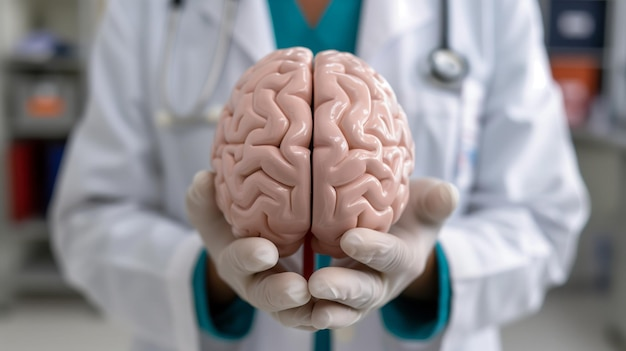
Epilepsy surgery is a treatment option for those who have epilepsy and cannot manage their seizures with medicines. Here's a summary of when, who, and where epilepsy surgery might be considered:
When is Epilepsy Surgery Considered?
Epilepsy surgery is typically considered when:
-
Medication Resistance:
The patient has tried several anti-seizure drugs without success (refractory epilepsy).
Disabling seizures:Seizures are frequent, severe, or greatly damage the patient's quality of life.
Identifiable seizure focus:There is an unique and isolated location in the brain where seizures begin, and this area can be safely removed or altered without causing significant functional impairment.
Risk of injury:The patient is at significant risk of harm or complications as a result of their seizures, which include falls, accidents, and status epilepticus.
Who is a Candidate for Epilepsy Surgery?
-
Adults and children:
Adults and children with drug-resistant epilepsy may be eligible for surgery.
Patients with localized epilepsy:Those with focal epilepsy, in which seizures originate from a specific area of the brain, are frequently with the best potential candidates.
Patients with Non-Essential Brain Area Affected:If the seizures originate in a part of the brain that does not regulate vital processes like language, motor abilities, or memory, the odds of successful surgery increase.
Comprehensive Evaluation:Patients must be thoroughly evaluated, which may include video-EEG monitoring, brain imaging (MRI, PET scans), cognitive tests, and, in certain cases, invasive EEG with electrodes implanted directly on the brain (intracranial monitoring).
Where is Epilepsy Surgery Performed?
Epilepsy surgery should be performed in specialized centers with:
-
Experienced epilepsy teams:
This includes neurologists, neurosurgeons, neuropsychologists, and other experts with substantial experience managing and treating epilepsy.
Advanced Diagnostic Tools:To effectively determine the seizure focus, centers should have access to modern imaging and monitoring tools.
Post-Surgical Rehabilitation Services:Comprehensive post-operative care, including rehabilitation and follow-up, is critical for healing and adjustment following surgery.